Coin
Rare 1992-D Close AM cent realizes $20,700 at auction
Jan
Rare 1992-D Close AM cent realizes $20,700 at auction
A 1992-D Lincoln, Close AM cent, graded Mint State 64 red and brown by Professional Coin Grading Service, sold for $20,700 during Heritage Auctions’ sale at the Florida United Numismatists summer convention.
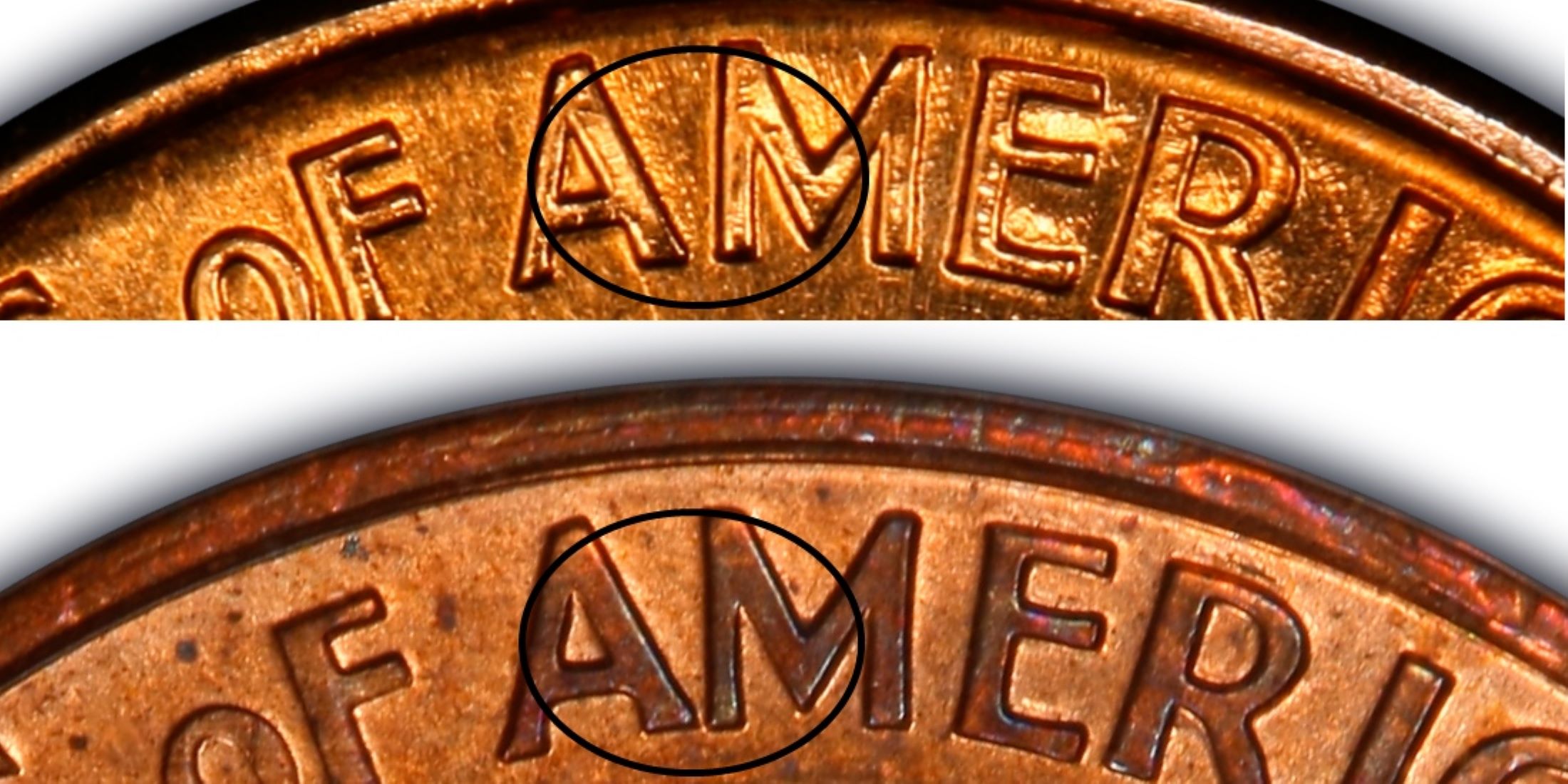
The coin was struck from a reverse die that had been prepared for use on circulation strikes of 1993 but was used prematurely in striking a few pieces in 1992. Specialists call the design Reverse 7 or Reverse G, and consider a 1992 cent struck with the 1993 reverse to be a transitional design.
The cent was one of more than 2,200 lots of colonial coins, United States coins from half cents through gold $20 double eagles and more offered in three public sessions July 12 and 13 in Orlando, Fla., by Heritage. The auction brought total prices realized of $7,808,821. Lots totaling 93.1 percent of those offered were reported sold.
The prices realized for the auction include the 15 percent buyer’s fee added to the final hammer price of each lot won.
Transitional cent
The 1992-D Lincoln, Close AM cent, graded Mint State 64 red and brown by Professional Coin Grading Service, was among the highlights in the auction.
The price of $20,700 carries an enormous premium beyond the price of a common Wide AM variety. For example, a PCGS MS-64 1992-D Lincoln, Wide AM cent sold in an Aug. 19, 2003, Heritage Internet-only sale for $7, including the buyer’s fee.
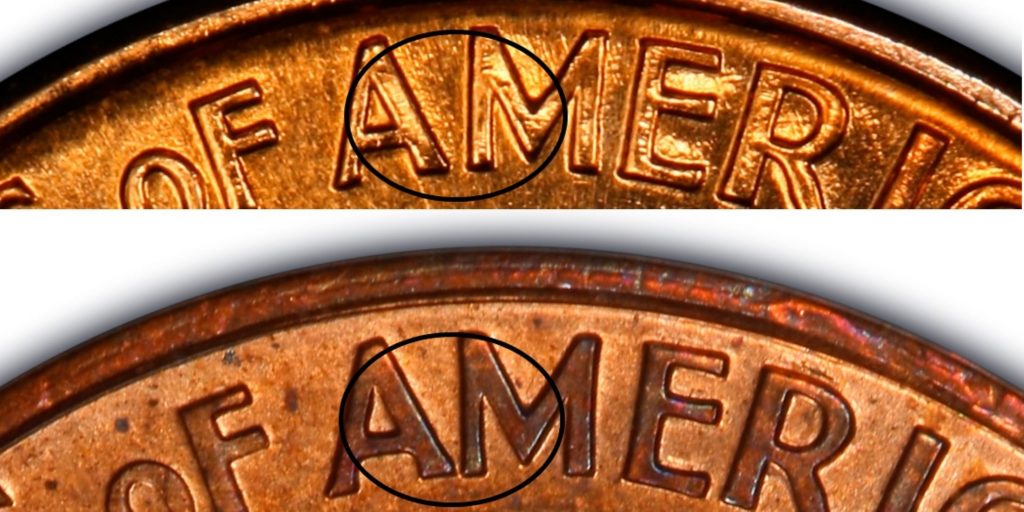
The distance between the feet of the A and M in AMERICA is a pick-up point. A clear space appears between the two letters on the normal circulation strikes (struck from Reverse 6), as identified by Combined Organizations of Numismatic Error Collectors of America. The spacing is much tighter on the Reverse 7 design, with the two letters nearly touching.
Another pick-up point is found at the FG initials of U.S. Mint Engraver Frank Gasparro. Both the shapes of the letters and the distance between them and the Lincoln Memorial differ in the two designs.
The loop of the G on the Reverse 6 (with the Wide AM) is flared, with serifs, while G on the Reverse 7 is straight.
In addition, the initials are more widely separated from the base of the Lincoln Memorial on the Reverse 7 (Close AM) design than they are on the Reverse 6 (Wide AM) design.
The Reverse 6 design was introduced on circulation strikes in 1988 and on Proof cents in 1989. The design became the standard reverse for the circulation strikes in 1989 (A slightly different design, Reverse 5, was also used in 1988 for circulation-strike cents). Reverse 6 was the standard reverse for circulation-strike 1992 and 1992-D cents, and for Proof 1992-S Lincoln cents, according to CONECA.
Reverse 6 was also used on Proof cents from 1994 to 2008, according to CONECA, and in error on a few circulation-strike 1998, 1999 and 2000 Lincoln cents.
Reverse 7 became the standard design for the circulation strikes from 1993 to 2008, but was used on Proof cents in 1993 only, according to CONECA.
One Reverse 7 die was inadvertently used for Denver Mint strikes in 1992, and due to the high attrition rate of modern cents, only a few Close AM examples have surfaced.
A Reverse 7 die was also used to strike a few circulation-strike 1992 cents produced at the Philadelphia Mint. An example of one of those transitional errors was offered in an auction on eBay with a closing date of July 30. As of Coin World’s deadline July 27, the coin had been bid to $10,000.
cataloger believes fewer pieces actually exist, finding just eight auction records over the past 30 years, including an earlier sale of this example.
The example just sold is the first example of the BD-4 variety to have appeared in a Heritage auction since the firm began its permanent auction archives in 1993.